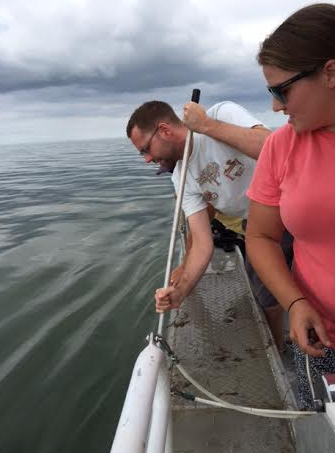
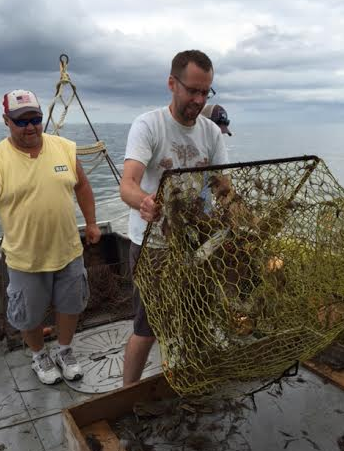
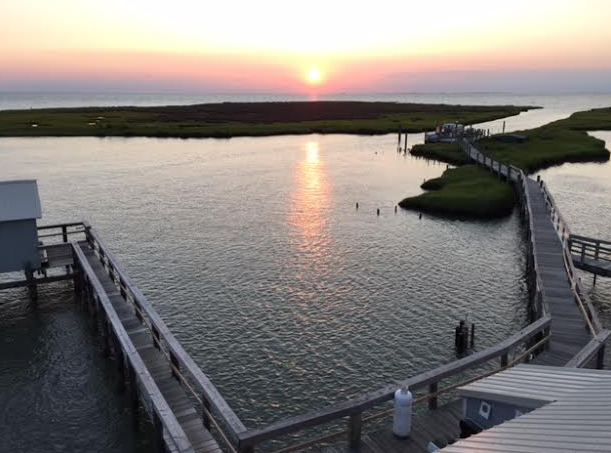
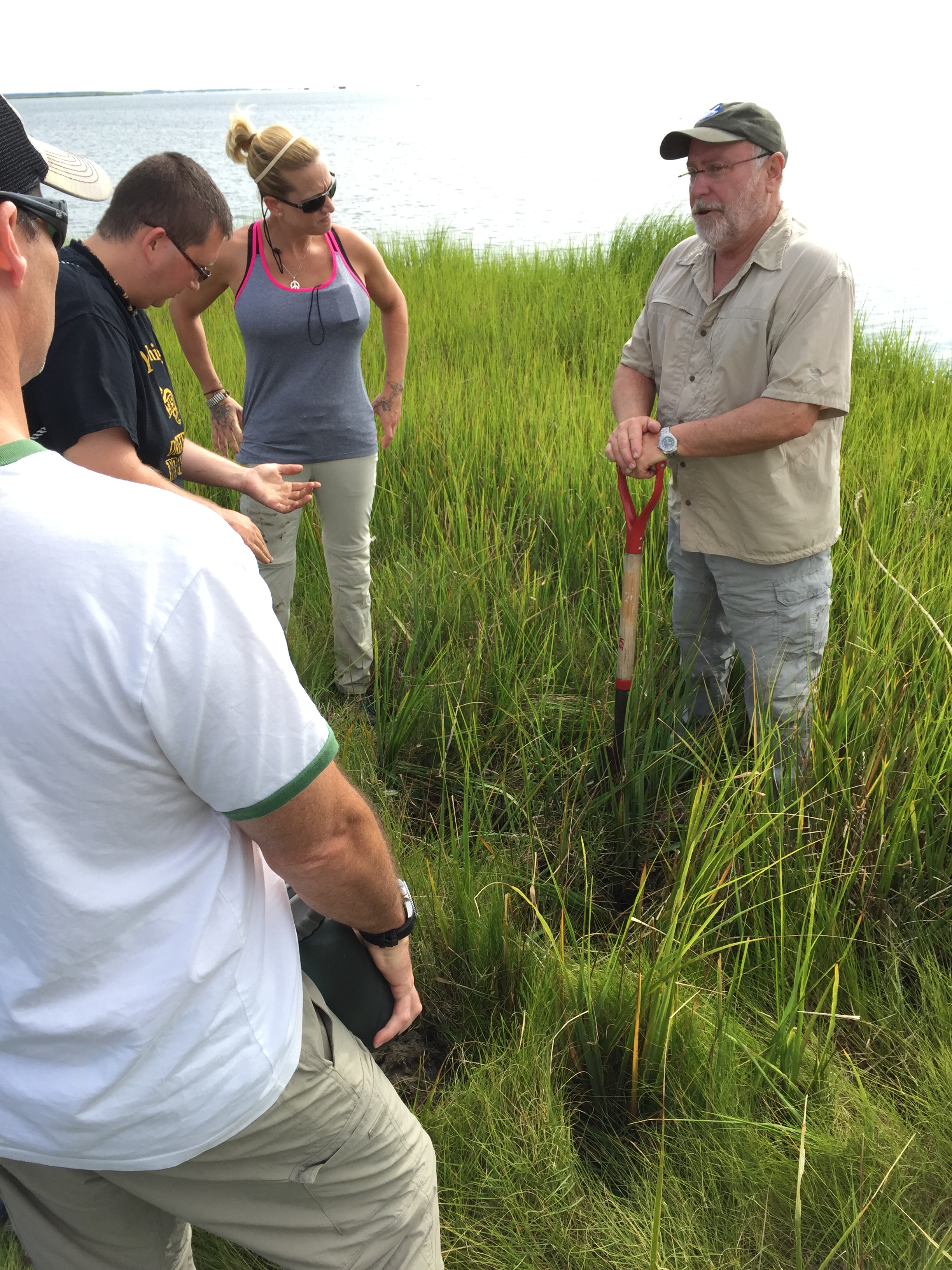
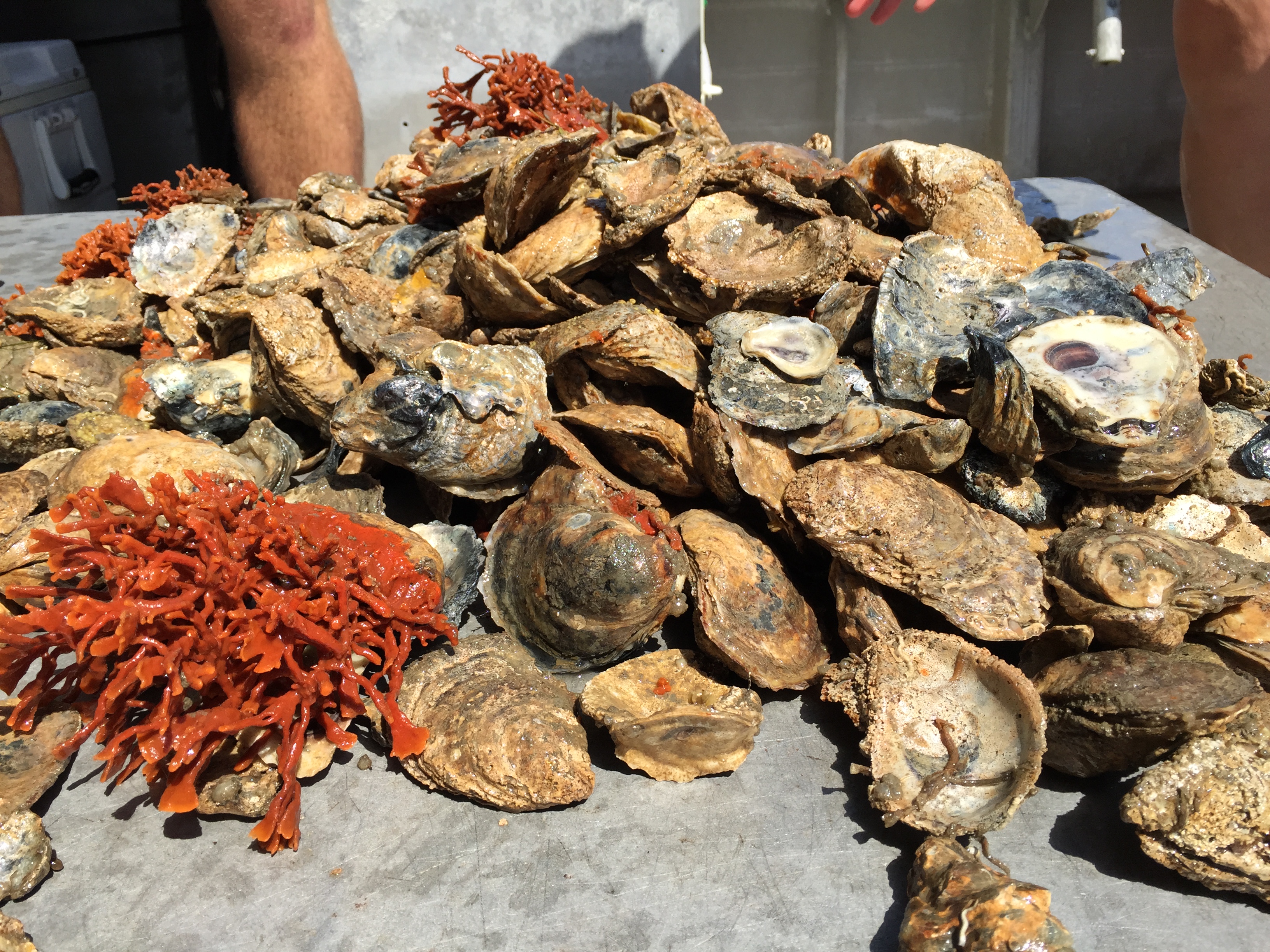
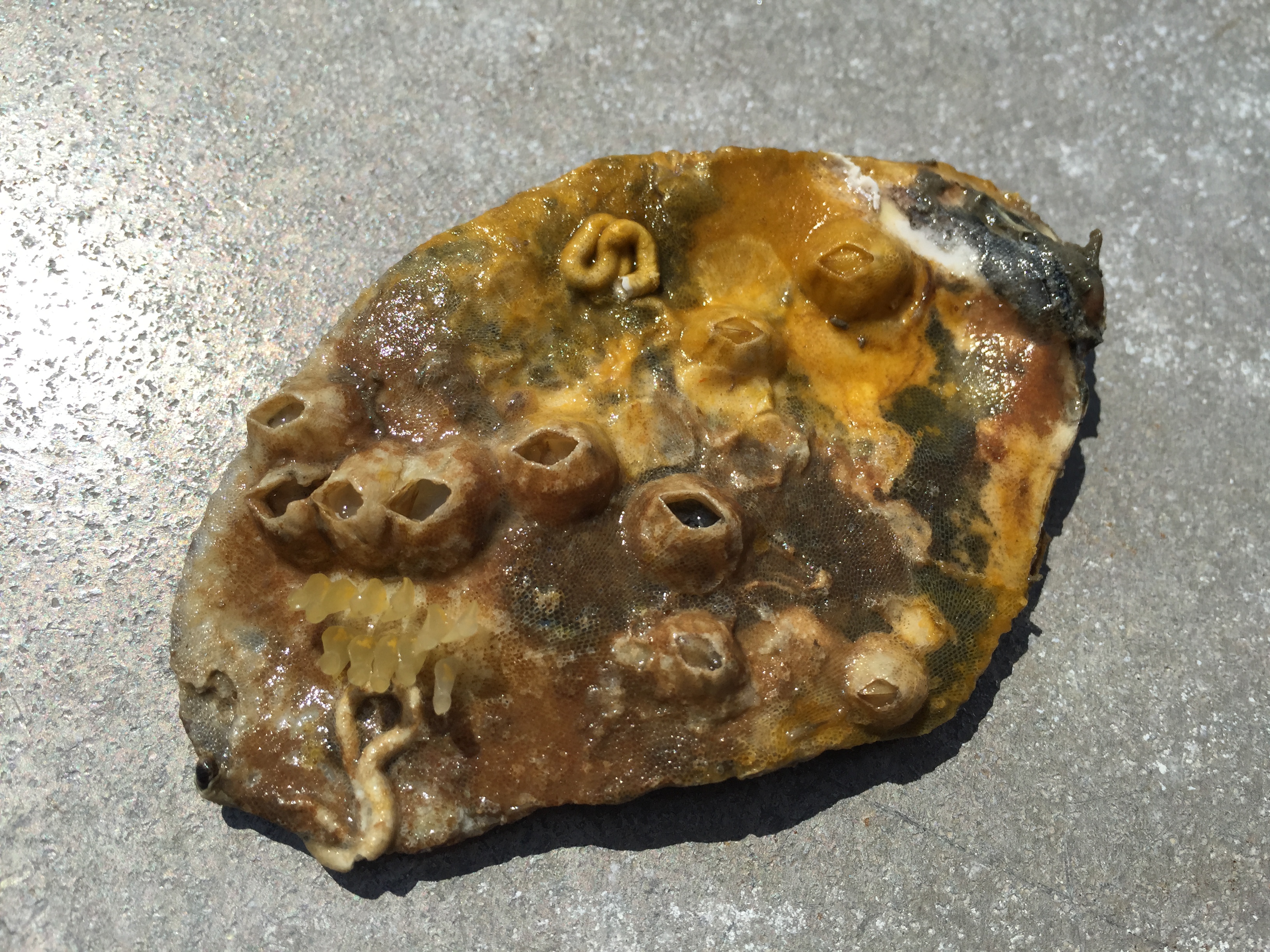
So I spent last week visiting different islands on the Chesapeake Bay and learned so much about the plants and animals that live there, and how important wetlands are. I can’t wait to tell you guys more about it when I see you in the September. I’ve posted a few pictures of my trip. We caught lots of blue crabs — they were delicious!

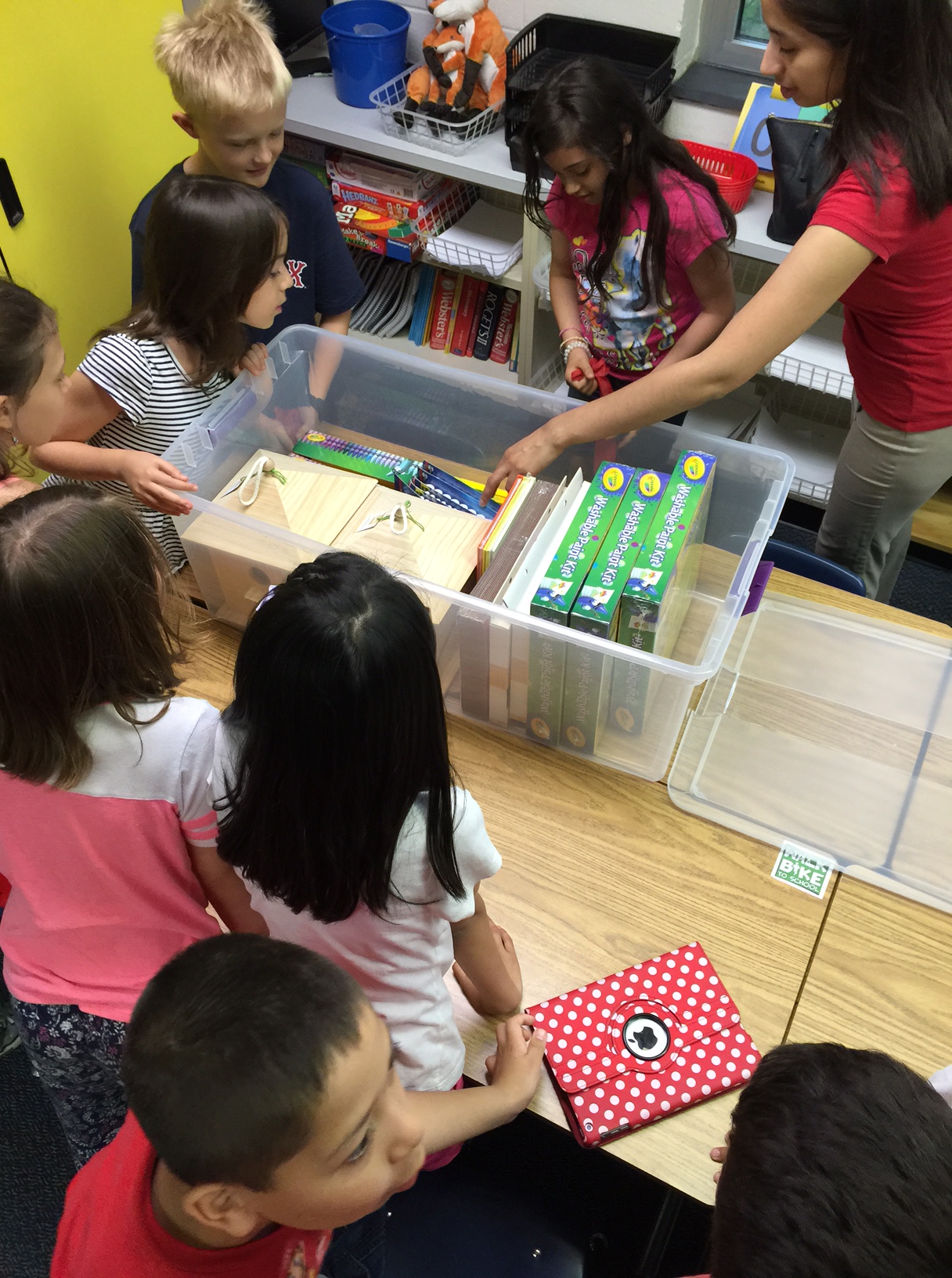
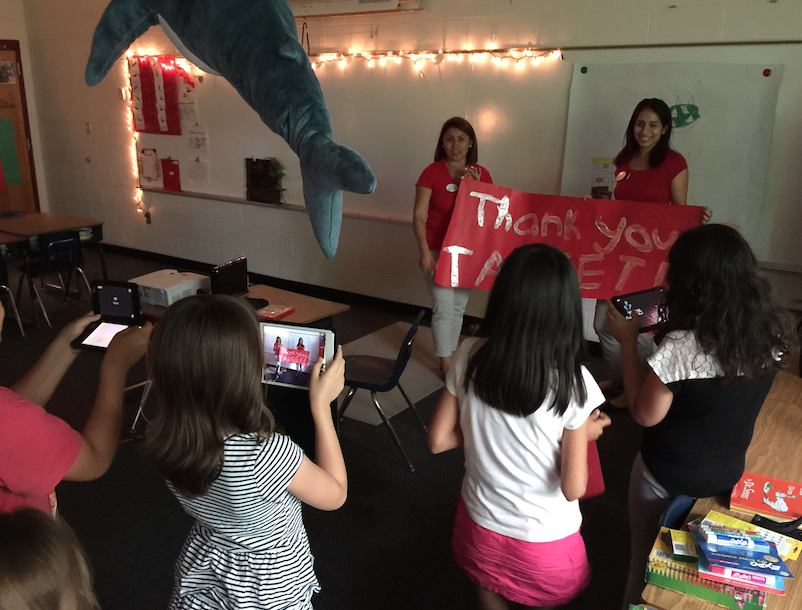
We had some very special visitors from Target at Skyline Mall today! They received the letter that one of our students wrote during our persuasive writing unit and decided to donate a huge box full of amazing art supplies, bird houses, and brightly colored dry-erase markers! Our jaws dropped to the ground when we saw all the cool stuff they brought! Thank you, Helen and Evelin from Target!
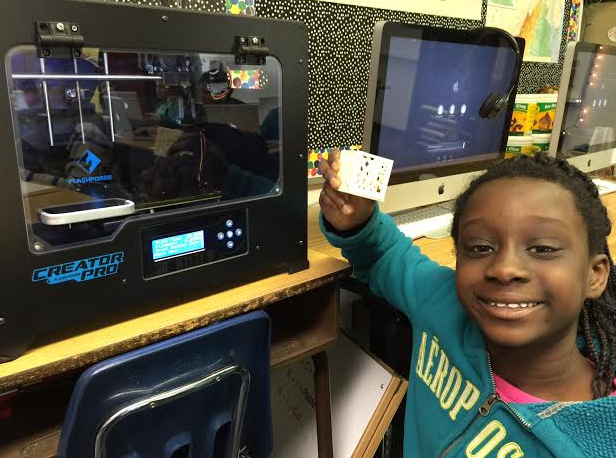
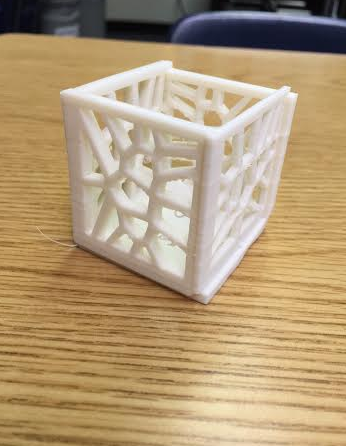
Our First 3D Printing Projects!
Posted: May 4, 2015 in engineering, math, science, technology, UncategorizedTags: 3D, 3D printer, 3D printer ideas, 3D printing, 3rd grade, STEAM, STEM
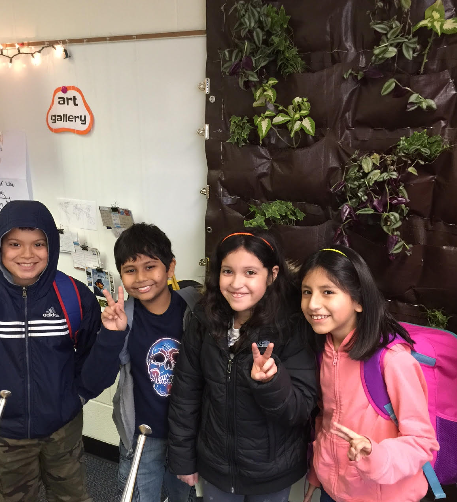
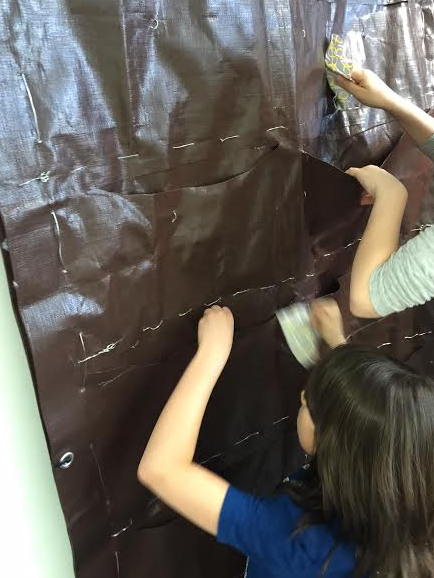
Our Living Wall is Complete!
Posted: March 18, 2015 in gardening, scienceTags: Earth Day, earthday2015, edible wall, gogreen, green wall, projects, science projects
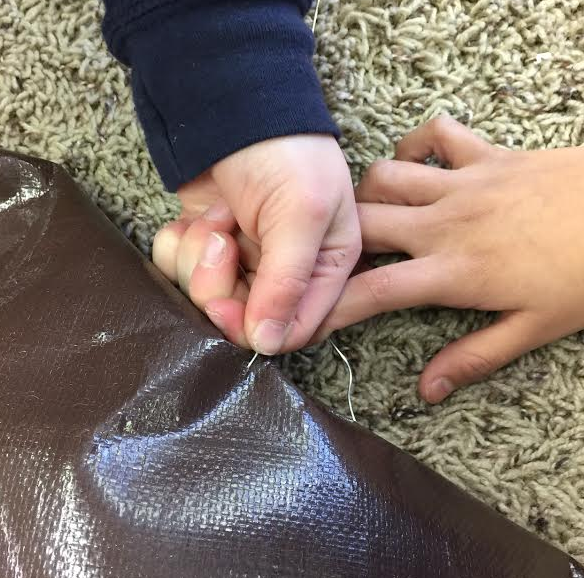
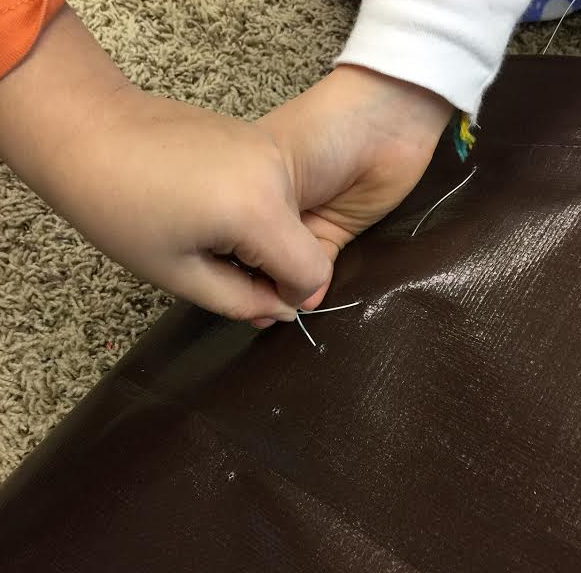
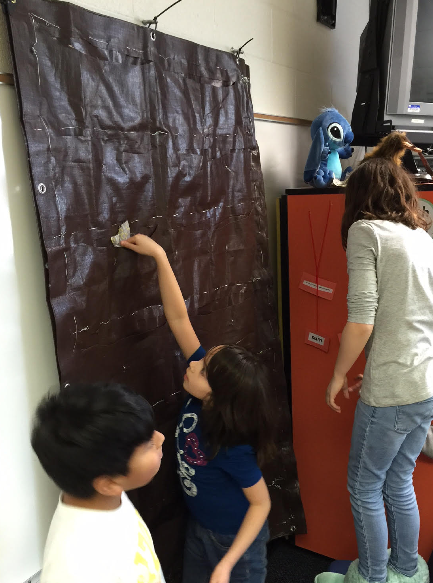
Building our living wall!
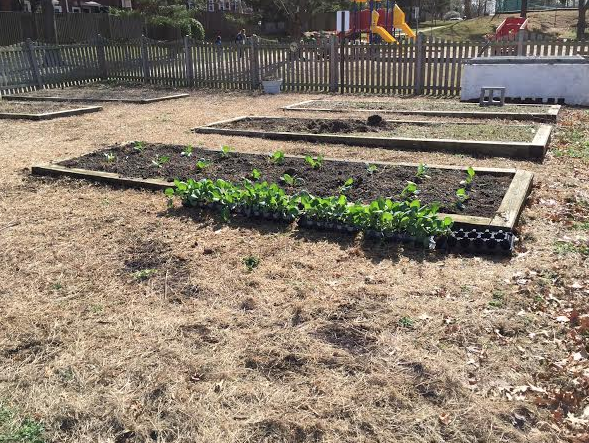
Posted: March 3, 2015 in gardening, nature, scienceTags: 3rd grade, class garden, community garden, edible wall, gardening, geen thumb, go green, green school, living wall, plants, project, science project
Click here to get inspired! 

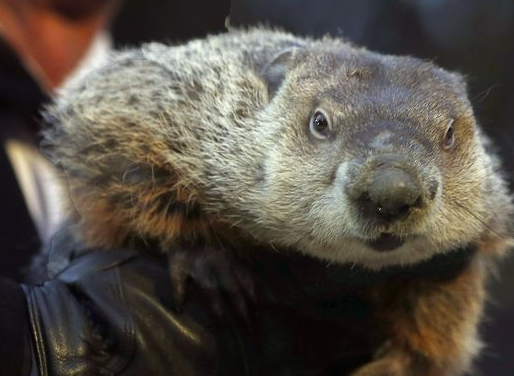
Groundhog Day is a day celebrated on February 2. According to folklore, if it is cloudy when a groundhog emerges from its burrow on this day, then spring will come early; if it is sunny, the groundhog will supposedly see its shadow and retreat back into its burrow, and the winter weather will persist for six more weeks. (via Wikipedia)
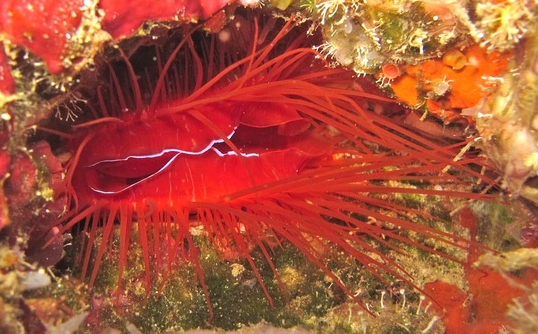
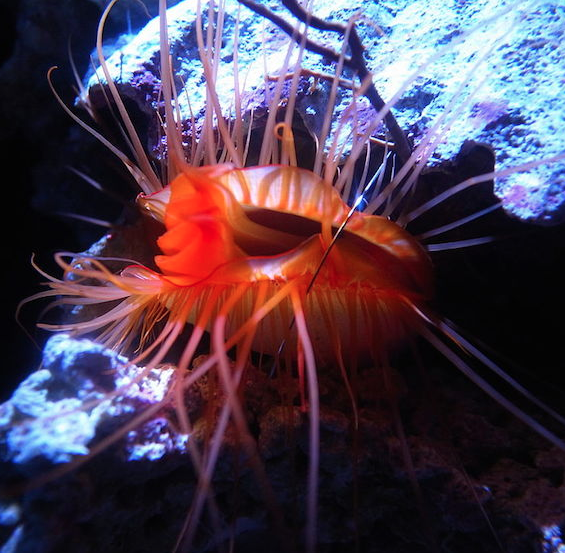
“Using the snotty strobe lights in its mouth, this deepwater mollusk can fend off hungry predators as mighty as the mantis shrimp.” Click here for more information about this beautiful bivalve!
Invention Challenge!
Posted: January 7, 2015 in art, engineering, math, science, technologyTags: 3D printing, inventions, Smithsonian
Each Challenge entry must identify a real-world problem and demonstrate at least the following four Spark!Lab Key Steps of the Invention Process:
Think It: Have a great idea for an invention
Explore It: Investigate inventions and ideas of the past
Sketch It: Draw pictures and diagrams to figure out how your invention might work
Sell It: Market your invention to people who might buy it
The real world-problem may be one that all the people in your neighborhood face, something that all your friends complain about, or an issue you talk about where you live. It could also be about a bigger, global problem that affects many people.