Archive for the ‘science’ Category

Yosemite!

Posted: February 22, 2018 in gardening, holidays, nature, personal, science

We just got back from Yosemite National Park! It’s only about 4 hours away from San Francisco and was totally amazing! We were hoping to see Firefall but there wasn’t enough precipitation this year. We did get to see Half Dome turn scarlet at sunset, though! We also encountered a really cute California ground squirrel — and later found out some of the squirrels in the park are vectors for the plague.

If you zoom in closely at the photo of El Capitan, you can see the rock climbing making their descent. A man named Alex Honnold climbed to the top of this granite monolith without and rope in 2017. Here is an article about it!

We saw lots of bark beetle damage on the trees in the park. The little beetles look like mouse droppings. They lay their eggs inside the tree’s soft phloem and then infect the tree with a blue fungus after they’re done. The fungus turns the tree into food for the beetle larvae and also kills the tree. Some scientists think the drought and shorter winters caused by climate change are helping the beetles and the fungus they leave behind damage more trees than ever before.

A team of scientists from Impossible Foods visited our class recently to teach us about a kind of meat that is made out of plants! One of the secret ingredients is heme, a compound that contains iron. It’s found in all living things and Impossible Foods gets theirs from soybeans!

Germination!

Posted: February 16, 2016 in gardening, nature, science

My 3rd graders dissected germinated peas and identified the radicle, cotyledons, and epicotyl!

Green Apple Day of Service 2015!

Posted: September 29, 2015 in gardening, science

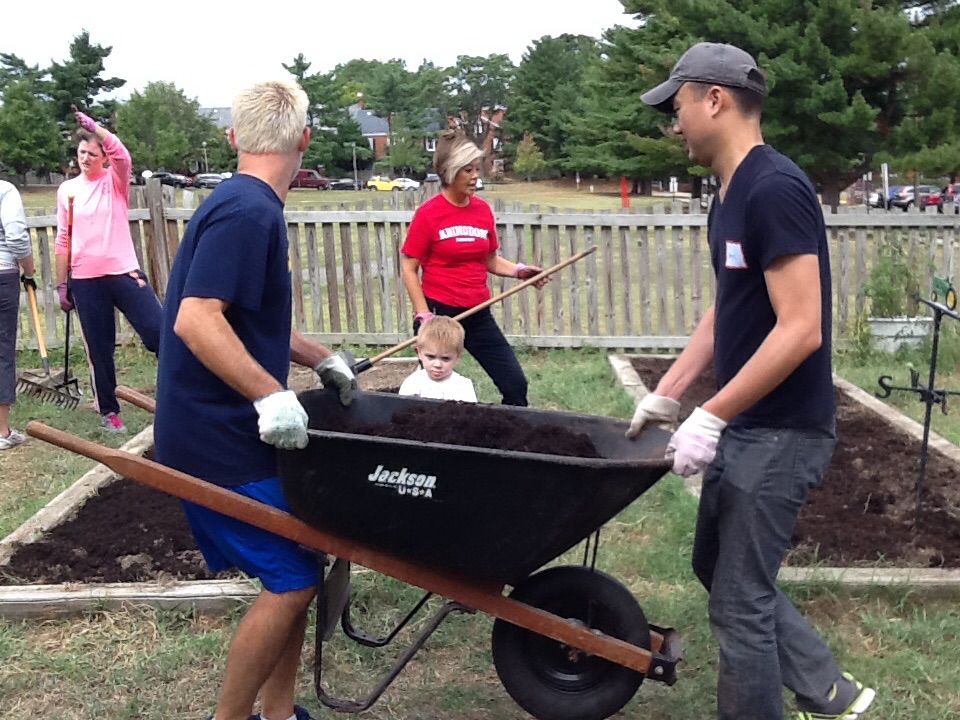
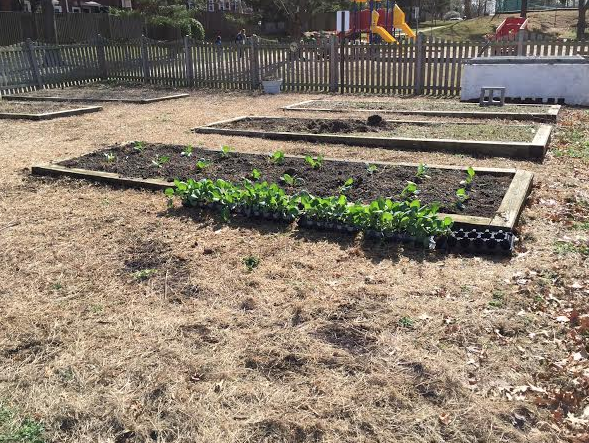
What do you think we should plant in our garden?!

image image[1] image[3] image[4]

Screen Shot 2015-05-04 at 2.50.37 PM Screen Shot 2015-05-04 at 2.50.43 PM Screen Shot 2015-05-04 at 2.50.48 PM Screen Shot 2015-05-04 at 2.50.53 PM

Screen Shot 2015-03-17 at 9.01.20 PM Screen Shot 2015-03-17 at 9.01.39 PM

…and we also got to plant some cabbages today!

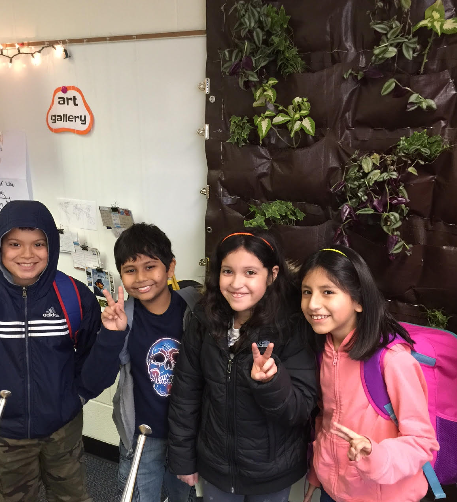
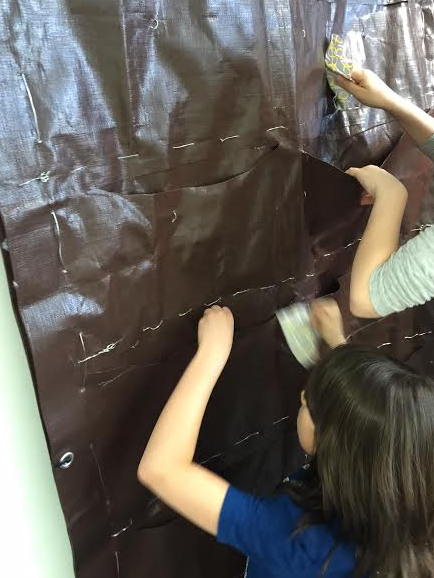
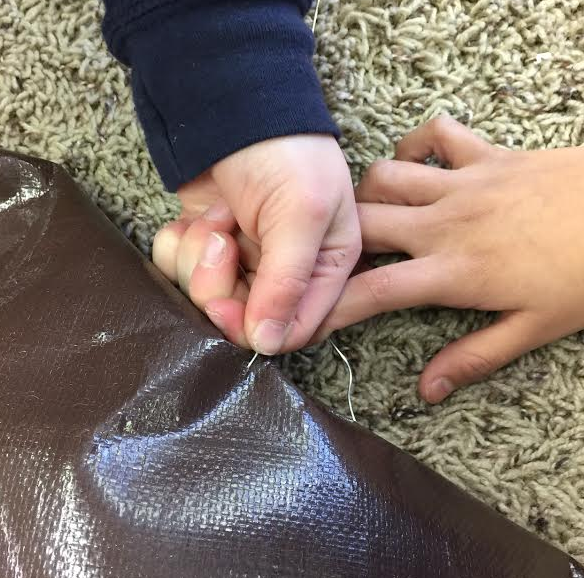
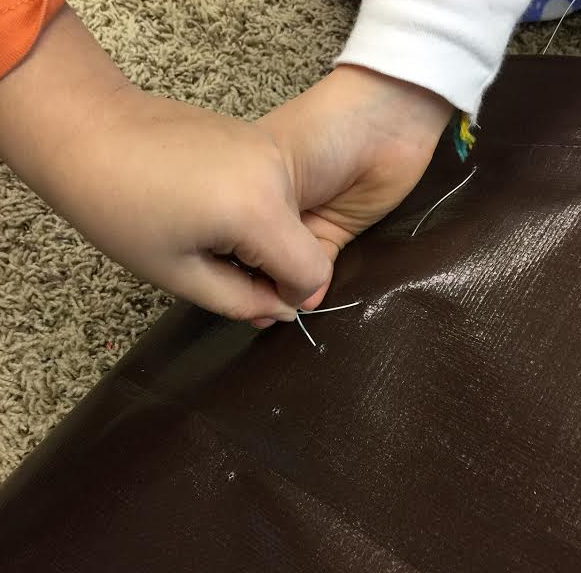
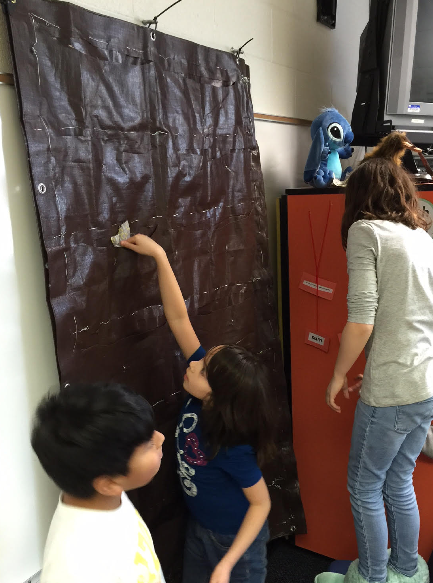
We’ve finished sewing up the pockets with steel wire and our garden is finally hanging up on the wall! Next step is to fill the pockets with soil and add some plants. Check back again soon!
Screen Shot 2015-03-02 at 8.10.54 PM Screen Shot 2015-03-02 at 8.11.02 PM Screen Shot 2015-03-02 at 8.11.14 PM Screen Shot 2015-03-02 at 8.11.22 PM Screen Shot 2015-03-02 at 8.11.27 PM

Owl Pellets

Posted: January 13, 2015 in nature, science

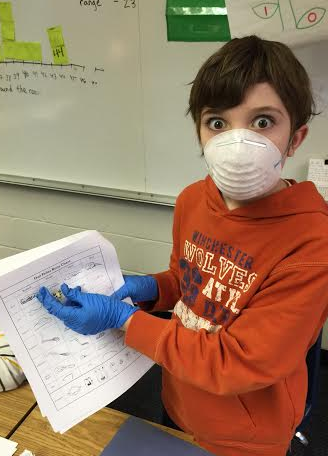
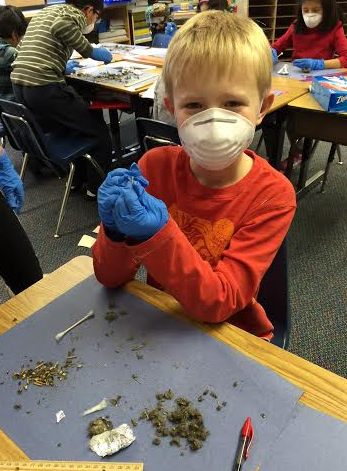
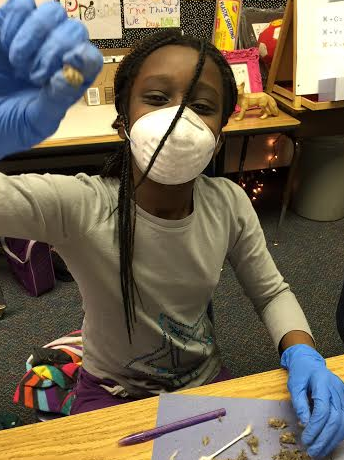
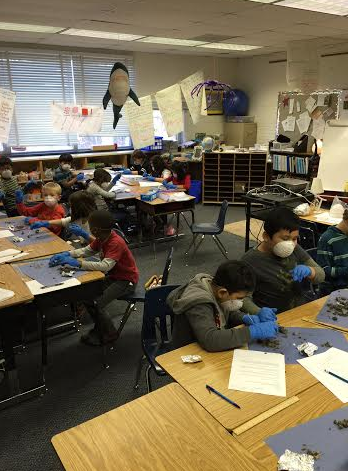
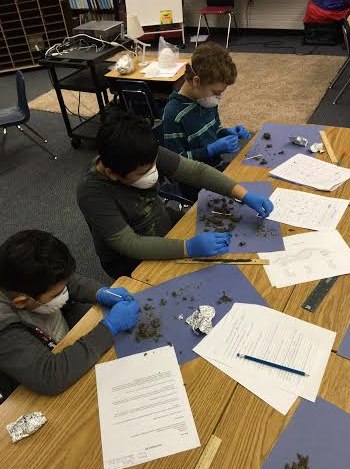
Today was the first day of our owl pellet dissection project! We found all sorts of clues about what owls eat. There were rodents, birds, and even one crab inside the vomit balls!

Screen Shot 2015-01-13 at 10.15.35 AM Screen Shot 2015-01-13 at 10.15.40 AM Screen Shot 2015-01-13 at 10.15.50 AM Screen Shot 2015-01-13 at 11.26.53 AM Screen Shot 2015-01-13 at 11.26.59 AM Screen Shot 2015-01-13 at 11.27.15 AM Screen Shot 2015-01-13 at 11.27.22 AM

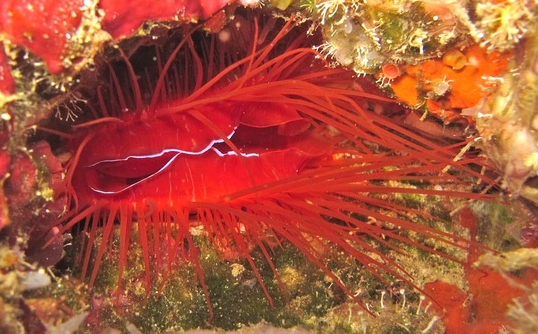
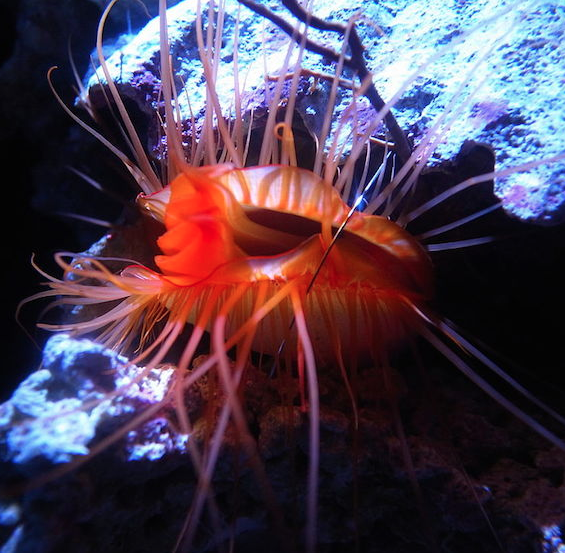
“Using the snotty strobe lights in its mouth, this deepwater mollusk can fend off hungry predators as mighty as the mantis shrimp.” Click here for more information about this beautiful bivalve!

Screen Shot 2015-01-07 at 4.23.29 PM

The light is actually from highly reflective silica spheres, not bioluminescence! Click on the photo for a video.

Screen Shot 2015-01-07 at 4.24.18 PM(photos via Lakshmi Sawitri)

Each Challenge entry must identify a real-world problem and demonstrate at least the following four Spark!Lab Key Steps of the Invention Process:

Think It: Have a great idea for an invention
Explore It: Investigate inventions and ideas of the past
Sketch It: Draw pictures and diagrams to figure out how your invention might work
Sell It: Market your invention to people who might buy it

The real world-problem may be one that all the people in your neighborhood face, something that all your friends complain about, or an issue you talk about where you live. It could also be about a bigger, global problem that affects many people.

Screen Shot 2015-01-07 at 4.17.43 PM